Sep 28, 2020 | Singleness
You can be the best of Christians and still be dissatisfied in your relationship with God. If this is the case, I challenge you to look at what you’re worshiping. Is it your knowledge about God, or is it God Himself? Our spiritual actions, good deeds, and holy character are not the point of our faith, but a by-product of it. The point of Christianity is a thriving relationship with the Living God.
Sep 22, 2020 | Christian Life & Theology, Podcast Episodes
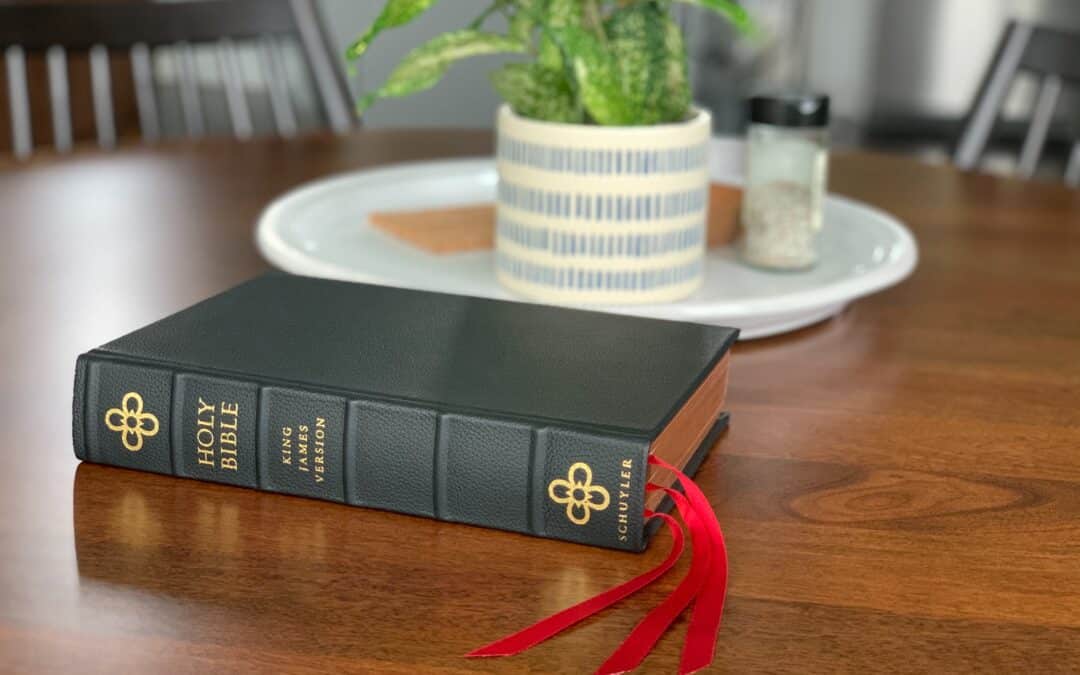
Is the King James Version the best or only version of the Bible we should use? It’s a question I’m sure we have all wondered as we discuss with KJV only friends. Or perhaps you’ve seen graphics going around Facebook saying certain bible versions are “missing” verses that the KJV includes.
In this episode of Verity, we talk all about the KJV: its history, how it developed, why its manuscripts were different, and more.

Sep 21, 2020 | Christian Life & Theology, Sexuality
“Why would God give me these desires if He’s not going to fulfill them?”
It’s a question many young men and women are asking. It’s a question I see at least once a week in my email, sometimes once a day. It’s a pressing concern for Christians, who, in their walk with God are commanded to “be holy as He is holy” – all the while battling a longing for companionship, or marriage, or – well, sex!
What do I do with these desires?
Sep 15, 2020 | Christian Life & Theology, Podcast Episodes
Have you ever wondered why and how so many English translations of the Bible came to be? Look no further! This episode of Verity digs into this topic, covering the styles and reasoning behind English translation, how it works, and why we see such diverse translations on our shelves. We also deep dive into the history of the English Bible and how it came to our hands today.

Sep 14, 2020 | Christian Life & Theology
“Can I want to be beautiful?” is not answered by telling girls to focus on an undefined “inner beauty” or forcing them to mentally accept a body they struggle to embrace. It is answered by showing them the balance of God-defined body image.

Sep 10, 2020 | Christian Life & Theology, Podcast Episodes
The Apocrypha is the set of books found in the Catholic bible but not in most Protestant versions of the Word. If you grew up non-Catholic (or even if you grew up Catholic) you might not know the history of these books or why the Catholic Church accepts them, and the Protestant does not. In this episode of Verity we delve into church history to explain how this difference came to be, and why!
Sep 8, 2020 | Christian Life & Theology, Podcast Episodes
The epistles – letters of Paul, James, Peter and others – reflect the daily walking out of the gospel as we learn it in Matthew, Mark, Luke and John. These books were quickly reproduced and distributed among the early churches. In this episode of Verity podcast, we discuss why the epistles can be trusted as authoritative and their importance to the whole canon of Scripture.

Sep 7, 2020 | Dating & Marriage
They tell you the rose-colored glasses come off. And the newness you feel now – that excitement of standing on the brink – it will unfold into the new-old of day to day, still novel, yet normal. Don’t let it go.
Sep 6, 2020 | Christian Life & Theology, Podcast Episodes
Moving from the Old to the New Testament in the gospels at last, this episode of Verity podcast delves into the reliability of the gospels, how they were written, why their date of authorship matters, and more!
The gospels build on the Old Testament foundation and rely heavily on the witness of the prophets. Jesus liberally quotes the Old Testament as proof of His own authority. Knowing both is important to appreciating the authority of Scripture.

Sep 5, 2020 | Christian Womanhood
The Writings are the third portion of the Hebrew Bible, made up of books like Proverbs, Ecclesiastes, and Song of Solomon. These books were believed, by the Jews, to have one level less authority than prophetic books. Some of them were debated regarding canonicity, such as Song of Songs. But interestingly, it is books of Wisdom/Writings (the Ketuvim) that are read at every major Jewish festival.